

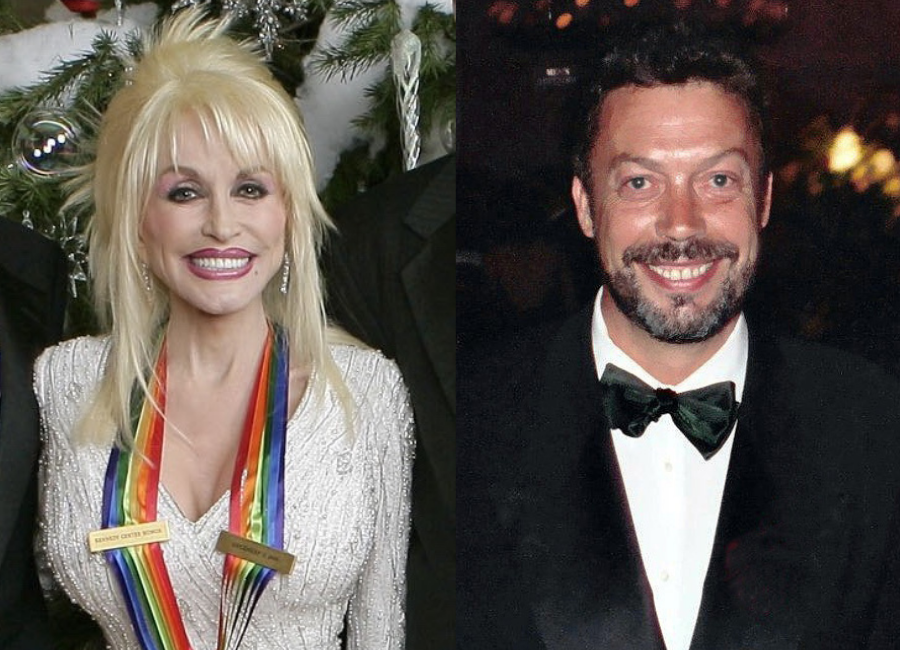
On Tuesday, August 25, the queer community lost two celebrities who staunchly supported our dreams, fought for our rights, and encouraged radical acceptance of our truths. Early in the day, news broke that country music superstar Dolly Parton died at 80, following a private battle with cancer. The very next day it was announced that actor Tim Curry had also passed at 80-years-old. Today we remember them both, and examine why they are loved so reverently among LGBTQ+ fans.
The Queen of Country
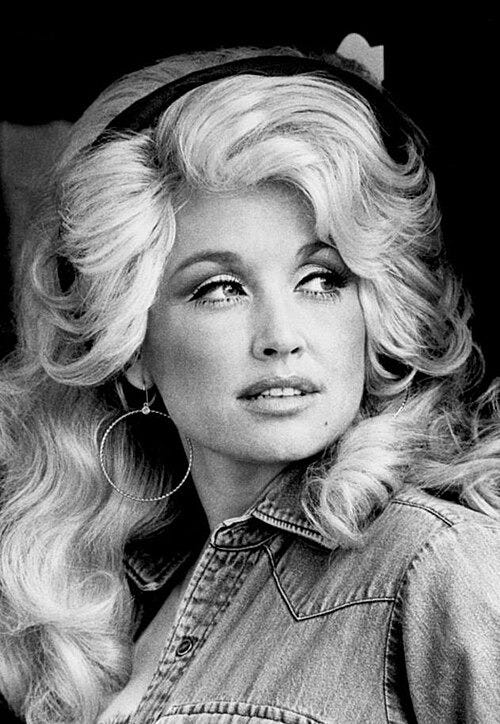
When Bryan Seaver took to social media on Tuesday to announce the death of his aunt, Dolly Rebecca Parton Dean, the queer community began to mourn one of our greatest allies. The Tennessee native, born into poverty and a single-room cabin, may not have been the most obvious person to align herself with the LGBTQ+ community, but Parton took on the role with pride.
Parton reached fame as a country singer and held her Christian faith close. She knew how many in these communities were taught to think of the LGBTQ+ community, and throughout her career, she made intentional moves to share her support of us loudly and clearly.
Perhaps Parton’s most viral moment is her 2017 interview with Larry King where she said, “If you’re gay, you’re gay. If you’re straight, you’re straight. And you should be allowed to be how you are and who you are.”
But Parton supported the LGBTQ+ community long before that. In 1991, she penned the song “Family,” which made clear that “gay” family members belong at the table along with everyone else. “Some are preachers, some are gay/ Some are addicts, drunks, and strays/ But not a one is turned away when it’s family,” she sang. At the time, a country superstar simply mentioning LGBTQ+ folks in a song was shocking, and Parton’s stance that they be treated the same as everyone else was straight up radical.
Since then, Parton’s lost a Dolly Parton lookalike contest to a drag queen in West Hollywood, penned a song for Transamerica (a 2005 film about a trans woman on a road trip across the country), stated her disappointment with bathroom bills designed to harm the trans community, and issued a swift and public apology to a lesbian couple who experienced discrimination at her theme park. She even quietly produced the Buffy the Vampire Slayer television show, helping us find representation in Tara and Willow’s heartbreaking love story.
Parton felt a sort of kinship with her trans and queer fans, In a 2014 interview, she was asked if her experience of feeling like she’s different from others around her makes her closer to her LGBTQ+ fans. Parton answered, “I’ve always felt that’s one of the things that’s drawn my gay fans to me. They do know that I do feel different, and all of my life I will be different. I always have been. But I enjoy and appreciate and respect that difference in myself just like I do in other people. God made me the way that I am and it’s my business to be true to that.”
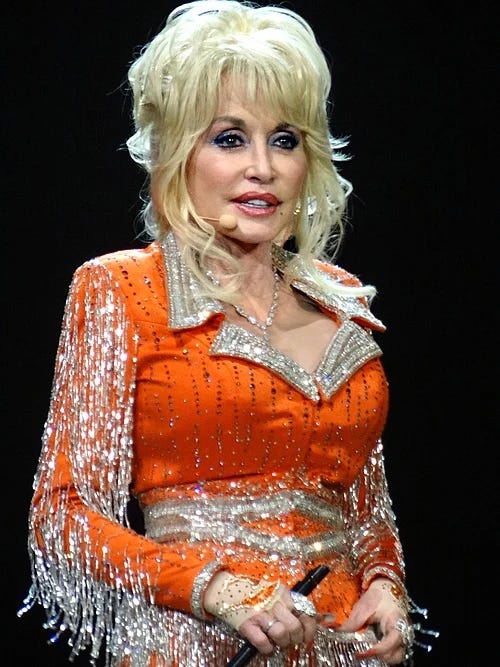
Parton lovingly accepted her moniker of “Backwoods Barbie” as a tongue-in-cheek commentary on her Appalachian roots and glam public persona. The ultra-feminine Barbie-esque appearance she curated for the public — blonde wigs teased high enough to reach heaven, large breasts, glossy pink makeup, skin-tight clothing, and high heels — have long inspired drag queens and femme lesbians alike.
Whenever one of us adopts the over-the-top nature of Parton’s look, we tell the world that our appearance is an act of self-expression rather than an attempt to seduce or impress anyone around us. Parton knew that there’s real power in embracing and exaggerating femininity loudly and unapologetically. She showed many of us not only how to do that, but that we could also have fun with it.
The Cheshire Cat
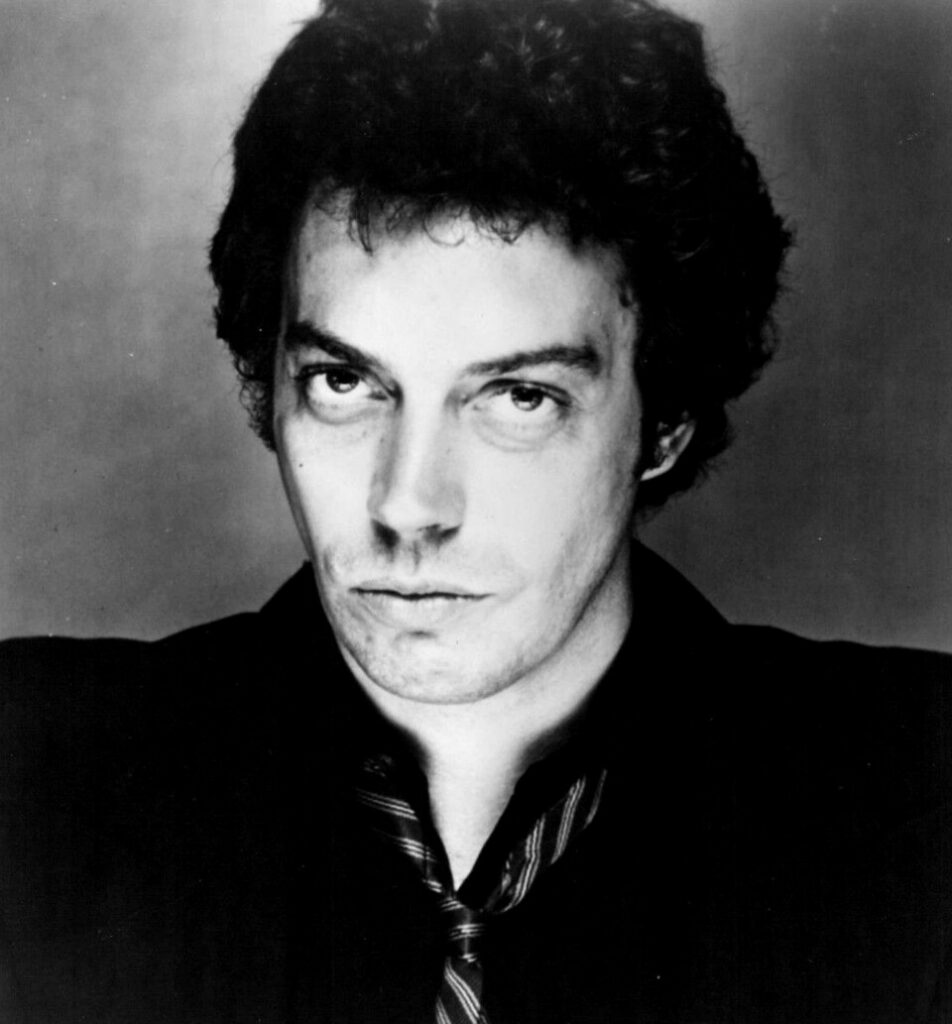
Tim Curry is one of the most well-known and well-loved queer icons of the twentieth century. His portrayal of a horny and theatrical mad scientist, Dr. Frank-N-Furter provided many of us with our first experience seeing someone confidently eschew the confines of gender — and look hot doing it.
Curry’s career was one of celebrating eccentricity. He brought his quirky take and signature “cheshire cat grin” to his most popular roles in Clue, Muppet Treasure Island, Home Alone 2, Annie, The Three Musketeers, and It. However, it was The Rocky Horror Picture Show that offered his most revered role.
Curry originated the role of Dr. Frank-N-Furter on stage before taking him to screen. He defined how the character walked, talked, and even wore his clothes. While some of the language may be outdated today, when the film premiered in 1975, it was groundbreaking.
Curry’s Dr. Frank-N-Furter is obnoxious in the best way. He feels no shame for how he dresses, the makeup he wears, or the people he sleeps with. The androgynous way that Dr. Frank-N-Furter moves through life is radically freeing. When asked if he felt liberated in the role, Curry said, “Enormously, because basically he can fuck anybody. That’s quite a charge. It’s important to make that believable.”
Offstage, Curry kept his own love life close to the chest. He was intensely private, and never released a statement on his sexuality. In fact, not a single one of his romantic relationships has ever been shared with the public. In his memoir, Vagabond, Curry wrote, “… specifics about my affairs of the heart or the bedroom are—respectfully—none of your fucking business.”
Questions regarding his sexuality didn’t stop Curry from openly supporting the LGBTQ+ community. He regularly dedicated his time, talent, and influence to raise critical funds for HIV/AIDS research from the 80s on. Curry performed for a Southland Theatre Artists Goodwill Event (S.T.A.G.E.) fundraiser, served as a special guest performer at Broadway Cares/Equality Fight AIDS Broadway Bares fundraiser, and sang on stage at the GLAAD Media awards. He made time for this work, once signing memorabilia and posing with over 40 fans for Broadway Cares’ annual Broadway Flea Market before he had to be on stage for the Spamalot matinee.
While Curry’s public appearances slowed after his 2012 stroke, he made time to attend The Rocky Horror Picture Show’s 50th anniversary screening at Hollywood Forever Cemetery in 2025. He always embraced the importance that the film, and Dr. Frank-N-Furter, hold for much of the LGBTQ+ community. Curry said that the community’s reverence, “…means a lot because I think the message of the film — Don’t dream it, be it — is very important. One of the things that the movie does, I think, is give anyone permission to behave as badly as they really want, in whatever way and with whom. And I’m proud of that.”
@allisondayne What a beautiful moment. Thank you @Cinespia – this is a night I’ll never forget. #rockyhorrortiktok #rockyhorrorshow #timcurry #losangeles #hollywoodforevercemetery ♬ original sound – Allison Dayne
Curry’s rally to “behave badly” isn’t a call to start murdering our romantic rivals in refrigerators a la Dr. Frank-N-Furter; rather it’s a push to give up the expectations placed on us by society and live as our truest, most authentic selves. Instead of being “good” or silencing ourselves simply to avoid rocking the boat, we must become the very people we dream we could be. It’s a lesson Curry spent half a century teaching us through his work on screen and his own amazingly full and beautifully unconventional life.